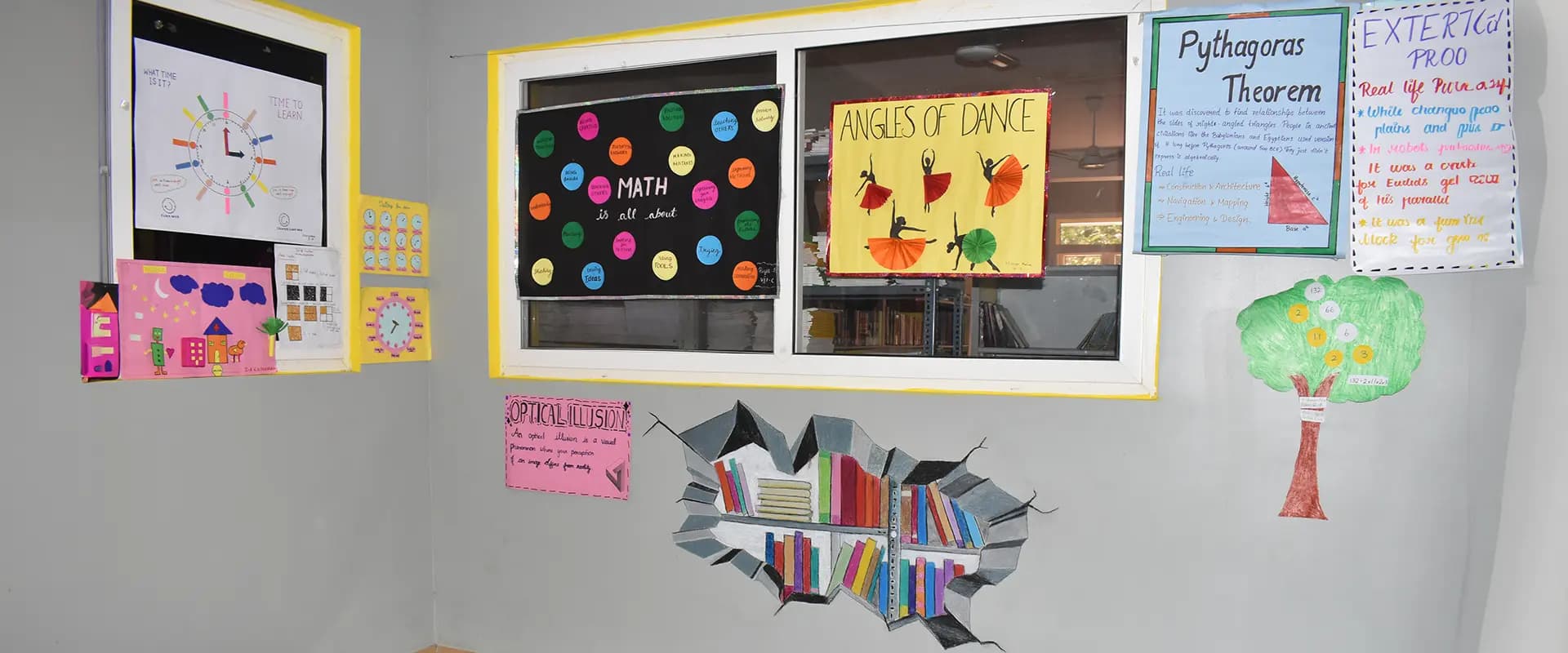
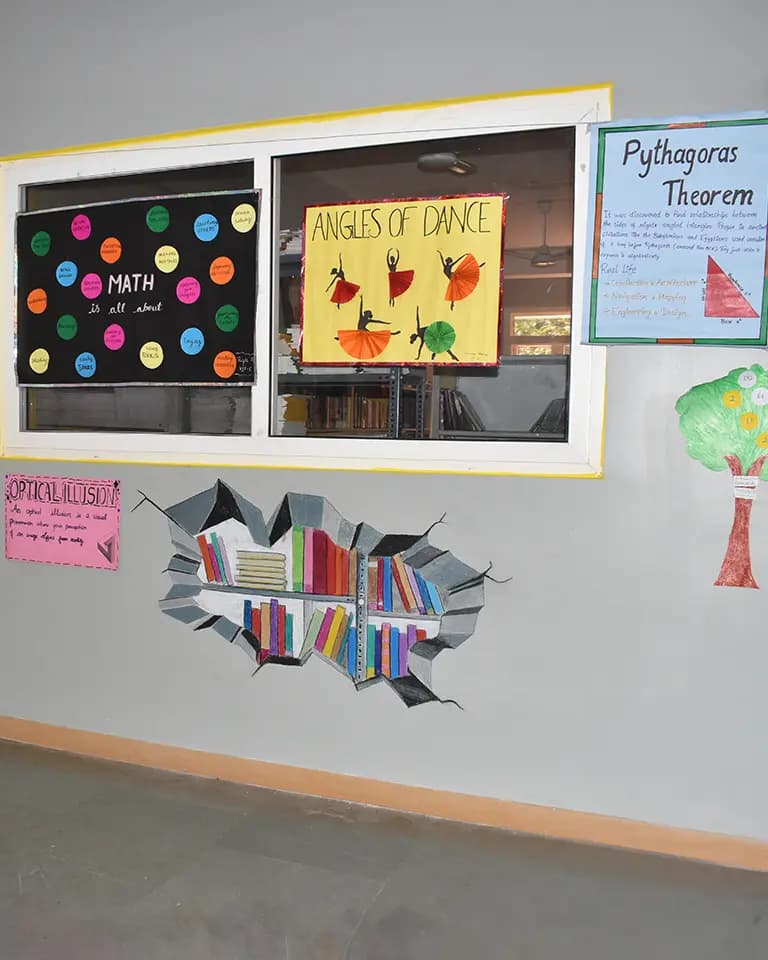
At The ELGI school, academics are designed to go far beyond textbook learning and examinations. Our educational approach encourages curiosity, conceptual understanding, creativity, collaboration, communication, and lifelong learning.
Following the CBSE curriculum, the school combines strong academic systems with learner-centric methodologies, technology-enabled teaching, experiential learning, and holistic development practices that prepare students for both higher education and life beyond classrooms.
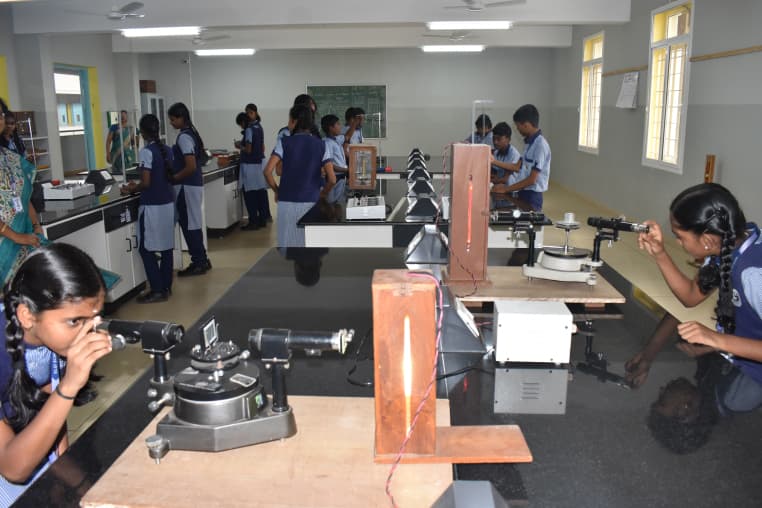
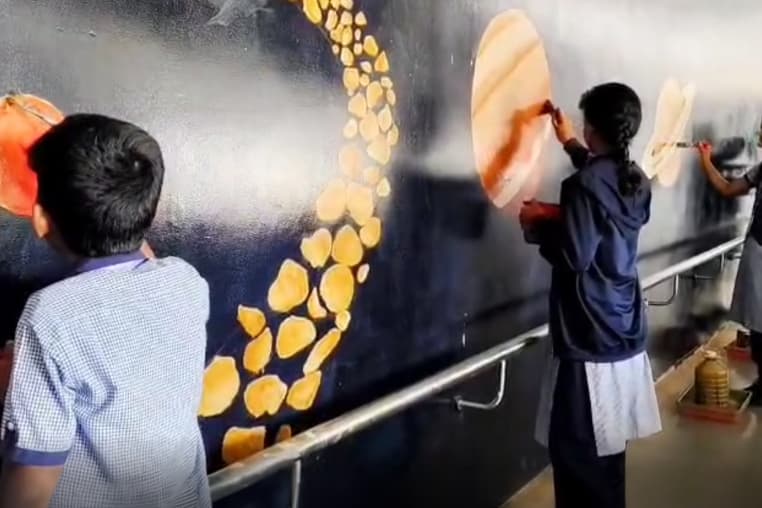
Blending academic excellence, conceptual understanding, and life skills.
The ELGI school follows the curriculum prescribed by the Central Board of Secondary Education (CBSE), offering a balanced and comprehensive educational framework that promotes academic excellence alongside overall student development.
The school focuses not only on academic achievement, but also on helping students develop analytical thinking, creativity, adaptability, ethical values, and confidence.
At ELGI, we give great importance to project-based learning. We dedicate a week to each subject area, enabling students to deep dive into concepts through hands-on learning experiences and showcase their work to the entire school community. Our themed weeks include Language Week (English, Tamil, and Hindi), COMSOC (Commerce and Social Science), SIMATech (Science, Mathematics, and Technology), and Co-Scholastic Week featuring Art, Dance, Music, and Sports.
An early learning environment where curiosity, confidence, and imagination begin to grow.
The Kindergarten program at The ELGI school is thoughtfully designed to create a warm, engaging, and joyful introduction to learning. The school follows an integrated early learning approach that combines Montessori practices, Phonics-based learning, Interactive learning tools, activity-based engagement and Foundational literacy & numeracy development. The learning environment encourages children to feel safe, confident, independent, and excited about discovering the world around them.

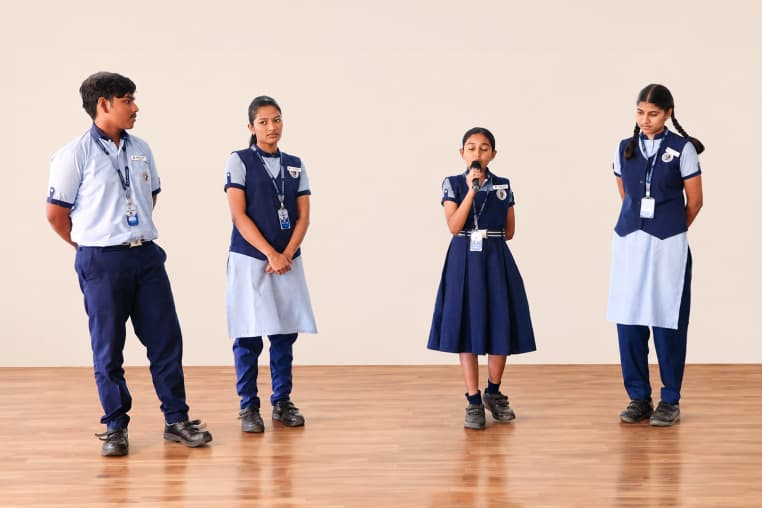
The Primary and Middle School years at ELGI are designed to build a strong academic foundation while nurturing creativity, communication, critical thinking, and a lifelong love of learning.
Learning through participation
Students are encouraged to
 Explore ideas with curiosityAsk questions confidentlyParticipate actively in discussionsCollaborate with peersApply learning meaningfullyDevelop strong communication skills
Beyond classroom learning
Learning is enriched through:
Activity-based learningExperiential learningTechnology-enabled teachingProject-based activitiesReading and research initiativesSports and wellness programmesArts and creative expressionCo-curricular participationThe learning environment helps students build confidence, independence, responsibility, and the skills needed for future academic success.
The Secondary and Senior Secondary years are designed to help students transition from guided learning to greater academic ownership and personal responsibility.
Learning with purpose
Students are encouraged to:
Think critically and independentlyAnalyse and solve complex problemsDevelop research and presentation skillsStrengthen academic disciplineTake initiative and leadership rolesBuild confidence in communication and decision-makingBeyond academic achievement
Students benefit from:
Subject enrichment programmesCareer awareness and guidanceLeadership opportunitiesCompetitive examinations and OlympiadsScience and innovation initiativesPublic speaking and presentation platformsSports and wellness activitiesStudent-led events and projectsThe academic ecosystem at ELGi supports students in becoming confident learners, responsible citizens, and future-ready individuals equipped to thrive in an evolving world.
Assessment that supports learning
At The ELGi School, assessment is viewed not as an endpoint, but as an integral part of the learning journey. In alignment with the National Education Policy (NEP), ELGi School follows a formative, competency-based assessment framework that promotes conceptual understanding, critical thinking, creativity, problem-solving, and application of knowledge. Continuous assessment across two terms supports holistic learner development, with a minimum attendance requirement of 85%.
How learning is assessed
Assessment at ELGi School combines multiple methods to provide a holistic understanding of every student's progress.
Academic Assessments
Periodic tests and written examinationsClass tests and monthly assessmentsTerm-end examinationsPractical and project-based evaluationsExperiential Assessments
Subject enrichment activitiesInvestigative and application-based tasksPresentations and demonstrationsActivity-based learning outcomesContinuous Assessment
Classroom participation and engagementNotebook maintenance and follow-up workAssignments and independent learning tasksObservation-based evaluation by teachersThis balanced approach ensures that students are assessed not only on what they know, but also on how they think, apply, create, communicate, and collaborate.
Feedback that fuels progress
Assessment at ELGi School is accompanied by constructive and timely feedback that helps students:
Recognise their strengthsImprove learning outcomesDevelop confidenceBuild academic disciplineSet meaningful learning goalsTeachers use assessment data not merely for grading, but to refine teaching strategies, support individual learning needs, and ensure every student receives the guidance required to succeed.
Beyond marks
The school also recognises the importance of holistic development.
Student progress reports reflect:
Academic performanceCo-scholastic developmentParticipation and engagementAttitude and disciplineSkills and competenciesOverall learner growthThis comprehensive approach ensures that assessment remains meaningful, balanced, and aligned with the school's larger goal of developing confident, responsible, and future-ready individuals.
Primary School (Grades I–V)
Assessment at the primary level focuses on nurturing curiosity, foundational understanding, participation, and confidence.
Students are evaluated through:
Class activitiesSubject enrichment tasksPeriodic assessmentsClassroom engagementNotebook and follow-up workTeachers use assessment data not merely for grading, but to refine teaching strategies, support individual learning needs, and ensure every student receives the guidance required to succeed.
Middle School (Grades VI–VIII)
As students’ progress, assessment becomes more structured while continuing to support conceptual understanding and skill development.
Evaluation includes:
Subject enrichment activitiesWritten assessmentsApplication-oriented tasksClassroom engagementNotebook assessmentTerm examinationsTeachers use assessment data not merely for grading, but to refine teaching strategies, support individual learning needs, and ensure every student receives the guidance required to succeed.
Secondary School (Grades IX–X)
In alignment with CBSE guidelines, assessment combines internal evaluation and formal examinations.
Students are assessed through:
Subject enrichment activitiesUnit testsPeriodic assessmentsNotebook evaluationTerm examinationsTeachers use assessment data not merely for grading, but to refine teaching strategies, support individual learning needs, and ensure every student receives the guidance required to succeed.
Senior Secondary (Grades XI–XII)
At the senior secondary level, assessments are designed to prepare students for higher education and future academic pursuits.
The assessment framework includes:
Monthly testsPractical and project workInternal assessmentsRevision examinationsTerm examinationsBoard examination preparationTeachers use assessment data not merely for grading, but to refine teaching strategies, support individual learning needs, and ensure every student receives the guidance required to succeed.
Subject choices in Grade XI
Science Stream (1)
EnglishPhysicsChemistryMathBiology /Economics /Physical Education /Computer ScienceScience Stream (2)
EnglishPhysicsChemistryBiologyPsychology /Economics /Physical Education /IPCommerce Group
EnglishAccountancyBusiness StudiesEconomicsMath /Physical Education /IPHumanities Group
EnglishPolitical ScienceGeographyEconomicsPsychology /Tamil / IP /Physical EducationStream allocation for the Eleventh grade students is based on their aptitude and academic performance.
Balancing academics, activities, interaction, and student well-being.
The day at ELGI school is committed to building confident learners, responsible individuals, and future-ready citizens through meaningful education and everyday experiences.
The school continuously strengthens its learning infrastructure to ensure that students receive meaningful exposure to modern educational practices and evolving learning technologies.



© 2026 The ELGI school. All rights reserved.


 0422 241 4194


 : Get Direction
 : 422 241 4194
 :
: